
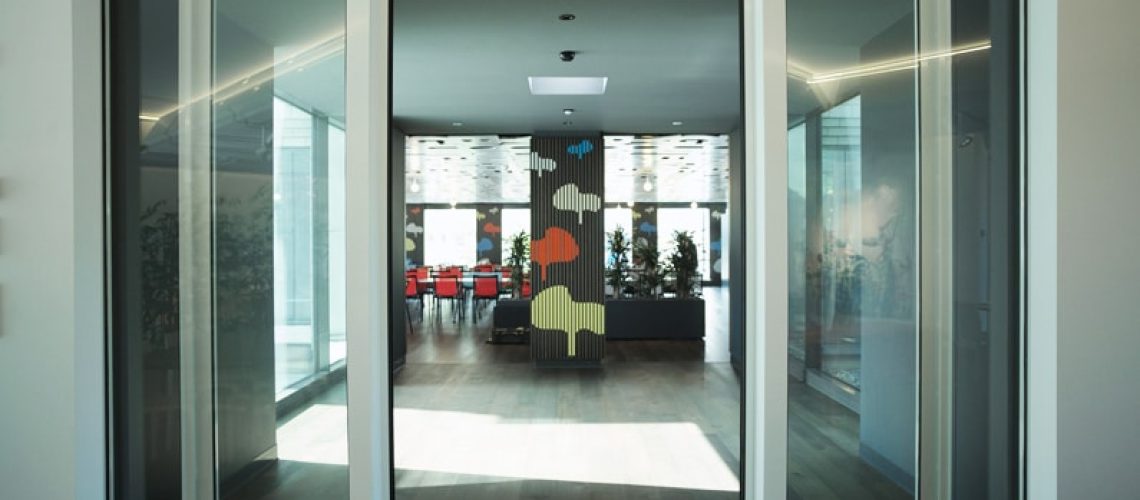
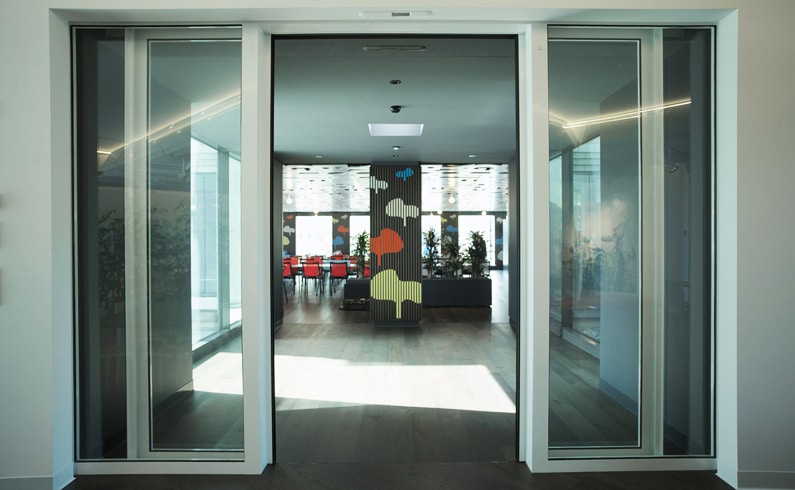
In today’s rapidly evolving business landscape, low-energy is no longer just a buzzword; it’s a guiding principle driving decision-making and innovation across industries. At RDS Doors, we’re proud to be at the forefront of this movement, offering eco-friendly door solutions that not only prioritise environmental responsibility but also enhance accessibility for all.
Understanding Low-Energy Doors
Low-energy doors represent a paradigm shift in the way we approach door design, particularly in commercial and industrial settings. Unlike traditional automatic doors, which operate at full speed, low-energy doors are engineered to function at reduced speeds, thereby minimising kinetic energy and ensuring safer entry and exit, especially for individuals with mobility challenges.
Integrating Advanced Technology for Enhanced Accessibility
What sets low-energy doors apart is their seamless integration of advanced technology. Features such as remote fobs, touchless pads, and proximity access make entry intuitive and hassle-free for users of all abilities. By prioritising accessibility, low-energy doors redefine the user experience, offering a level of convenience and sophistication that transcends traditional door systems.
Prioritising Safety and Peace of Mind
At the heart of the low-energy door concept lies a commitment to safety and peace of mind. By operating at reduced speeds, these doors create a safer environment for all users, mitigating the risk of accidents and injuries. Whether it’s a bustling retail establishment or a busy office complex, low-energy doors provide a reliable and user-friendly solution that prioritises inclusivity and security.
Promoting environmental responsibility through energy efficiency
Moreover, low-energy doors aren’t just about accessibility; they’re about sustainability too. By consuming less energy and operating at reduced speeds, these doors align with broader environmental goals, contributing to energy efficiency and resource conservation. This dual emphasis on accessibility and sustainability underscores a fundamental shift in the way we conceive of door design, moving beyond mere functionality to embrace principles of inclusivity and environmental responsibility.
Embracing the Future of Door Design
In essence, understanding low-energy doors goes beyond their technological specifications; it’s about recognising their transformative potential in creating safer, more accessible, and environmentally conscious spaces. As businesses and communities strive to build a more inclusive and sustainable future, low-energy doors stand as a beacon of progress, offering a tangible solution that embodies the values of safety, accessibility, and environmental stewardship.
The Benefits of Low-Energy Doors
- Accessibility: At the core of low-energy door design is a commitment to accessibility. These doors offer a quiet, smooth, and safe entry experience, accommodating individuals with varying levels of mobility. From touch-sensitive handles to a diverse range of activation options, such as remote fobs and touchless pads, low-energy doors prioritise inclusivity, ensuring that everyone can navigate entry and exit points with ease.
- Cost-Effectiveness: Beyond their environmental benefits, low-energy doors provide a cost-effective solution for businesses seeking to meet accessibility requirements mandated by legislation such as the Equality Act. With ease of installation and retrofit options available, businesses can enhance accessibility without incurring exorbitant expenses, making it a win-win for both budgetary constraints and inclusivity goals.
- Environmental Responsibility: One of the standout features of low-energy doors is their minimal environmental impact. By operating at reduced speeds and consuming less energy, these doors contribute to overall energy efficiency and sustainability efforts. This aligns with RDS Doors’ commitment to environmental stewardship, as we strive to offer products that not only meet the needs of our clients but also minimise our ecological footprint.
- Versatility and Durability: RDS Doors’ low-energy doors are not only environmentally friendly but also engineered for strength, versatility, and durability. Designed to withstand the rigours of high-traffic environments, these doors ensure long-term reliability and performance, providing peace of mind to businesses and facility managers alike.
Considerate Access for All
At RDS Doors, we recognise the importance of providing barrier-free access to all individuals, regardless of mobility limitations. Our low-energy door operators are particularly effective for slow-moving traffic, including wheelchairs, the disabled, and the elderly. With the ability to retrofit existing doors, businesses can enhance accessibility without the need for costly replacements, promoting inclusivity and equal access for all.
Promoting sustainable practices
Beyond the immediate benefits of accessibility and energy efficiency, low-energy doors contribute to a larger ethos of sustainability. By reducing energy consumption, minimising environmental impact, and promoting inclusivity, businesses can align with sustainable practices that benefit both society and the planet. This not only enhances corporate social responsibility but also positions businesses as leaders in their respective industries, driving positive change and inspiring others to follow suit.
Embracing a Sustainable Future
As we conclude our exploration of low-energy doors, it becomes evident that they represent more than just a technological innovation; they embody a profound commitment to sustainability and accessibility. By operating at reduced speeds and integrating advanced technology, low-energy doors offer a compelling solution that prioritises safety, convenience, and environmental responsibility.
Aligning with Regulatory Standards and Beyond
Businesses today face a myriad of regulatory requirements, particularly concerning accessibility and environmental impact. Low-energy doors offer a practical and cost-effective way for businesses to not only meet these standards but also exceed them. By choosing low-energy doors, businesses demonstrate a proactive approach to compliance while also signalling their dedication to creating spaces that are inclusive and environmentally conscious.
Fostering a Culture of Inclusivity
At the heart of the low-energy door concept is a commitment to inclusivity. By providing safer and more accessible entry and exit points, low-energy doors ensure that individuals of all abilities can navigate public spaces with confidence and dignity. This commitment to inclusivity extends beyond regulatory compliance; it speaks to a broader ethos of respect and equity, wherein every individual is afforded equal opportunity and access.
Towards a Greener, More Inclusive Tomorrow
In conclusion, low-energy doors offer a tangible pathway towards a greener, more inclusive future. By prioritising sustainability, accessibility, and innovation, businesses can create spaces that are not only environmentally responsible but also welcoming to individuals of all abilities. As we look ahead, let us continue to embrace solutions that empower us to build a world that is safer, more accessible, and more sustainable for generations to come.
For more information on our low-energy door solutions, contact us today at 01206 591024 or email hello@rds-doors.com. Let’s embark on this journey towards a greener, more inclusive tomorrow.