In today’s increasingly complex work environments, ensuring workplace security has become paramount. One of the most effective yet often overlooked aspects of workplace security is door design. This blog explores how thoughtful door design can significantly enhance the security of a workplace, detailing key considerations and modern innovations that contribute to a safer, more secure work environment.
Understanding the Importance of Door Design
Doors are the first physical barrier against unauthorised access. High-quality doors, designed with security in mind, act as deterrents to potential intruders. They signal that the premises are protected and access is controlled, which can be enough to dissuade criminal activity.
Aesthetic and Functional Considerations
While security is paramount, the design must also consider aesthetic and functional aspects. A well-designed door not only enhances security but also complements the building’s overall design and meets the functional needs of daily operations. Balancing these elements is key to achieving a secure and welcoming environment.
Key Features of Secure Door Design
Material Selection
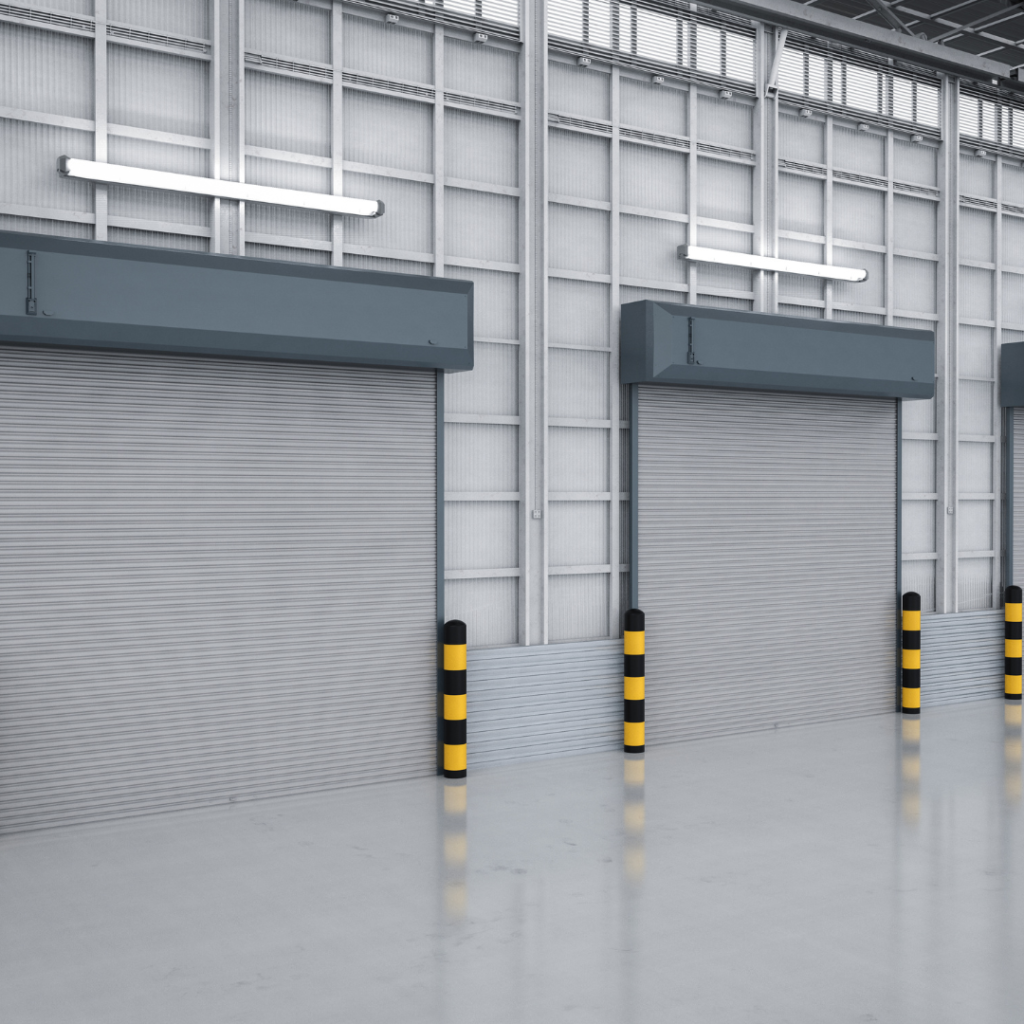
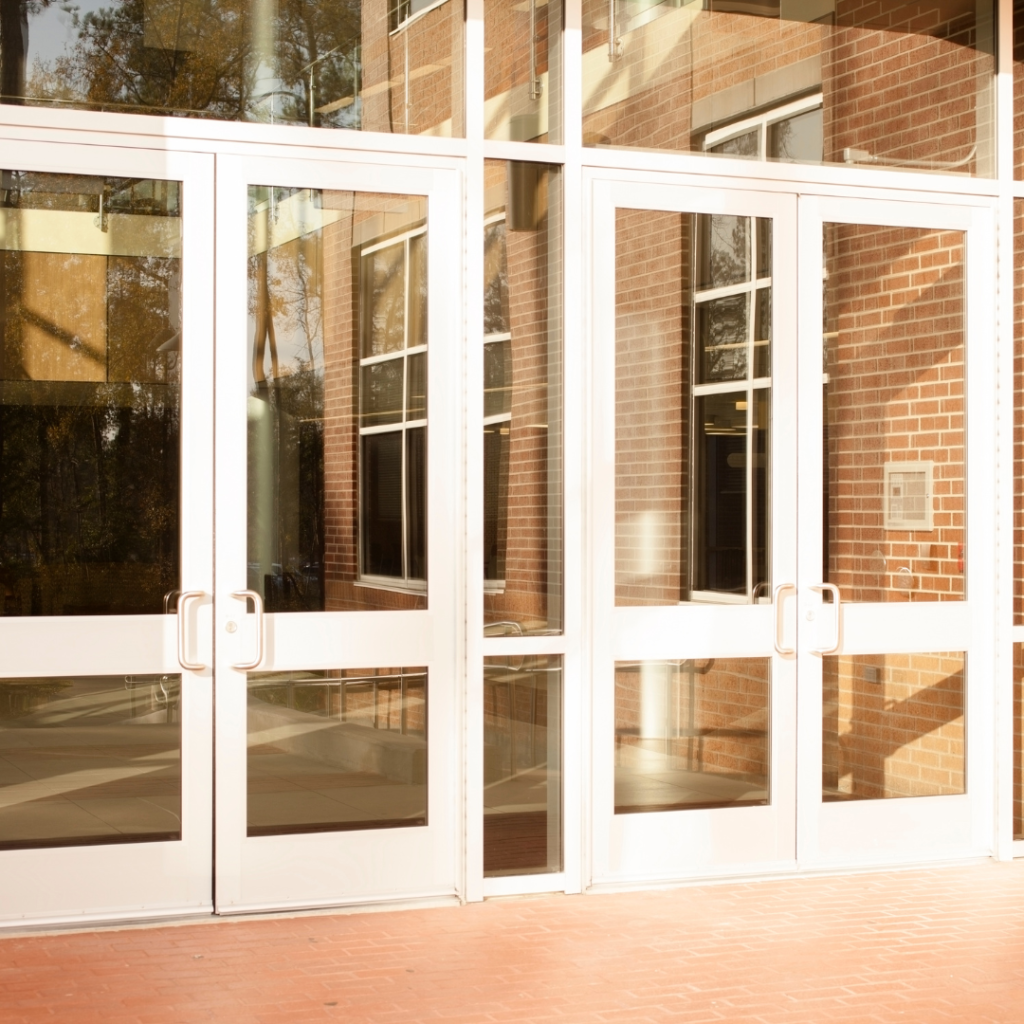
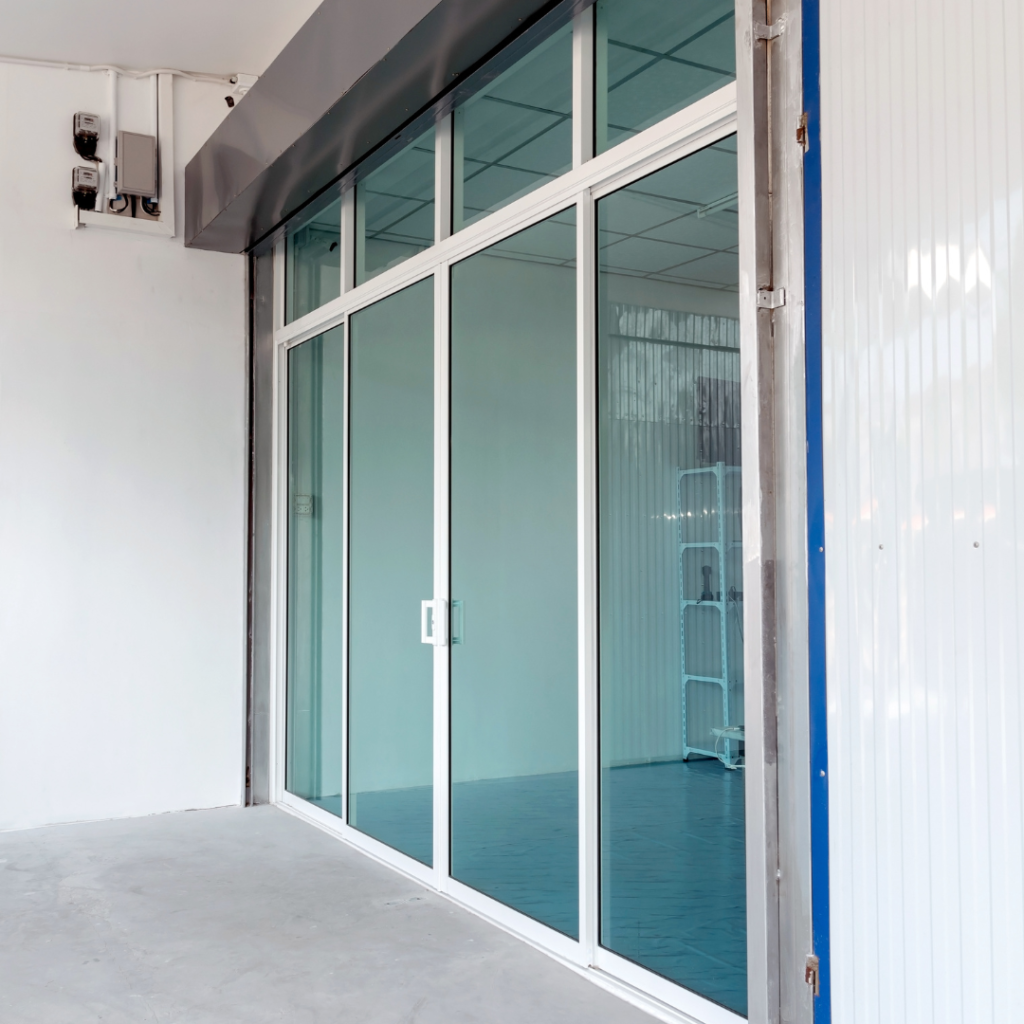
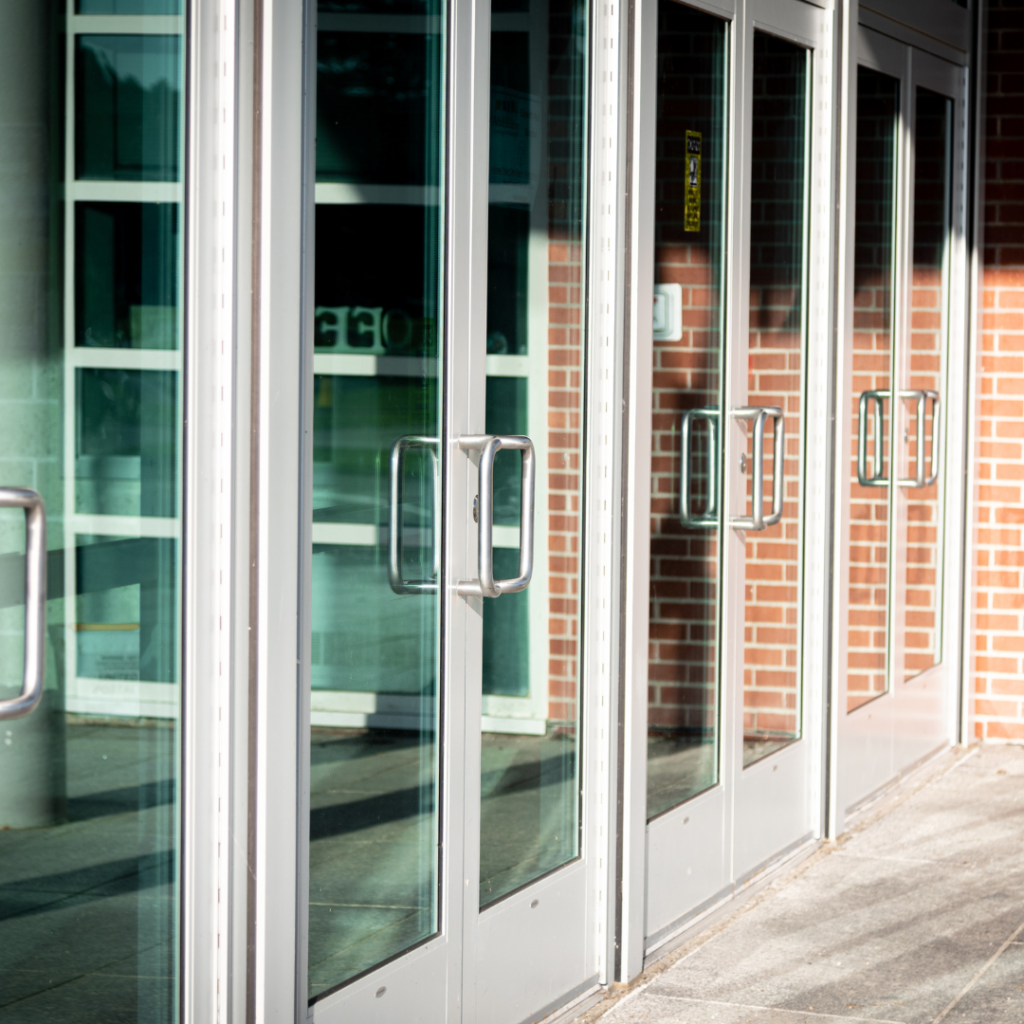
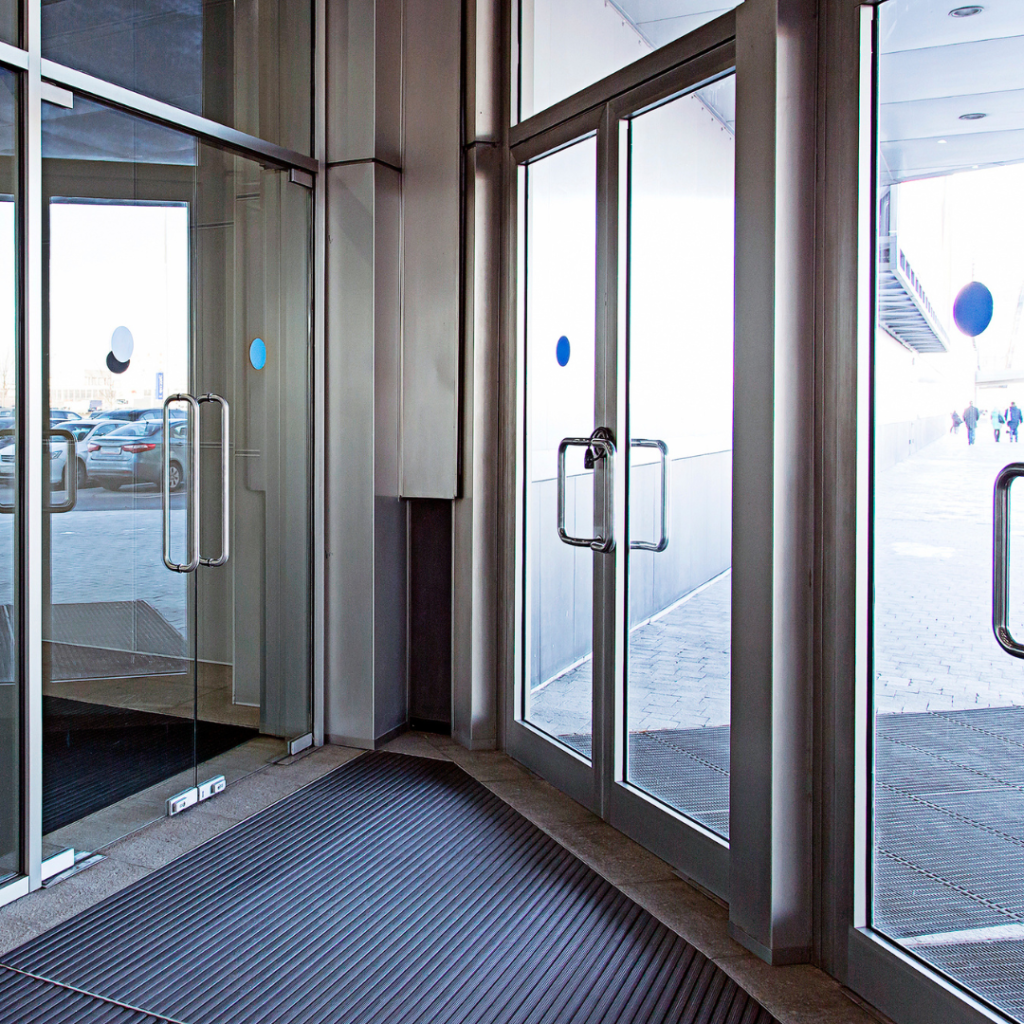
The choice of material significantly impacts a door’s security. Steel, aluminium, and reinforced glass are popular choices for their strength and durability. These materials provide robust protection against physical attacks while allowing for various design possibilities.
Locking Mechanisms
Advanced locking mechanisms are crucial for security doors. Options include multi-point locking systems, electronic keypads, biometric scanners, and smart locks. These systems ensure that only authorised personnel can access restricted areas, providing an additional layer of security.
Multi-Point Locking Systems
These systems lock the door at multiple points, making it much harder to force open than a single-point lock. This is especially beneficial for exterior doors that require higher security levels.
Electronic and Biometric Locks
Electronic locks with keypads or biometric scanners offer high security and convenience. They eliminate the need for traditional keys, reducing the risk of lost or duplicated keys compromising security.
Access Control Systems
Integrating doors with access control systems enhances security by allowing precise control over who can enter different areas. These systems can log entry and exit times, provide real-time monitoring, and quickly deactivate access for terminated employees.
Fire and Safety Regulations
Secure door design must also comply with fire and safety regulations. Fire-rated doors are essential in protecting lives and property by containing fires and providing safe evacuation routes.
Innovations in Door Design for Security
Smart Doors
Smart doors represent the latest in door design technology, incorporating features such as remote access, automatic locking, and real-time notifications. These doors can be controlled via smartphones, providing an additional layer of convenience and security.
Remote Access and Monitoring
Smart doors allow users to lock or unlock doors remotely, monitor who enters and exits, and receive alerts if any suspicious activity is detected. This can be particularly useful for businesses with multiple locations or remote management needs.
Anti-Tamper and Anti-Pick Technologies
Modern doors can be equipped with anti-tamper and anti-pick technologies to prevent unauthorised access. These features make it extremely difficult for intruders to manipulate the locks or force entry without detection.
Bullet-Resistant and Blast-Resistant Doors
In high-security environments, such as government buildings or financial institutions, bullet-resistant and blast-resistant doors provide the ultimate protection. These doors are designed to withstand extreme force and protect against armed attacks and explosions.
Successful Implementation of Secure Door Design Scenarios
Corporate Offices
A corporate office in London implemented a comprehensive door security system, including smart locks and biometric access controls. This not only enhanced security but also improved employee convenience and operational efficiency.
Healthcare Facilities
Hospitals and healthcare facilities have unique security needs, requiring doors that balance accessibility and security. The integration of advanced access control systems and durable materials ensures that sensitive areas remain secure while maintaining ease of access for authorised personnel.
Retail Spaces
Retail spaces have benefitted from the installation of high-security doors with anti-theft features. Reinforced doors with advanced locking mechanisms protect against break-ins and ensure the safety of staff and customers.
Best Practices for Enhancing Door Security
Regular Maintenance and Inspections
Regular maintenance and inspections are crucial for ensuring that security doors function properly. This includes checking locking mechanisms, ensuring doors close properly, and addressing any signs of wear and tear.
Employee Training
Training employees on the proper use of security doors and access control systems is essential. They should be aware of the security protocols and know how to respond in case of emergencies.
Upgrading Old Systems
Outdated doors and locking systems should be upgraded to modern standards. This not only improves security but also ensures compliance with current safety regulations.
Conclusion
Door design plays a critical role in enhancing workplace security. By focusing on material selection, advanced locking mechanisms, access control systems, and innovative technologies, businesses can create a secure environment that protects their assets and employees. Regular maintenance, employee training, and timely upgrades further ensure that these security measures remain effective. As the first line of defence, well-designed doors are integral to a comprehensive security strategy, providing peace of mind and contributing to the overall safety of the workplace. If you need help designing doors for your workplace, take the first step today and reach out to RDS!